

Breathe better, at rest and on the move
Start by noticing how you breathe now, then learn to use your diaphragm, breathe through your nose and pace your breath, at rest and during exercise.


What you learn in Breathing
You learn what CO2 tolerance is, how your diaphragm supports your posture and how breathing rhythm shapes heart rate variability. Later topics cover breath timing during exercise and a daily toolkit you can keep using.
 Breathing Basics and Comfort
 CO2 Tolerance
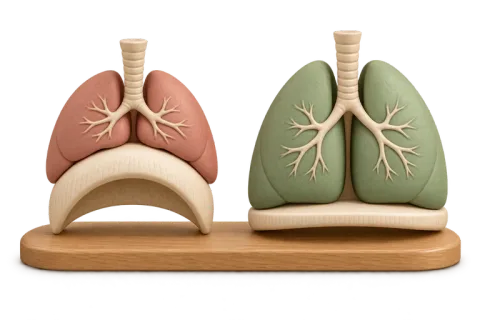 Diaphragm vs Chest Breathing
 BOLT Score
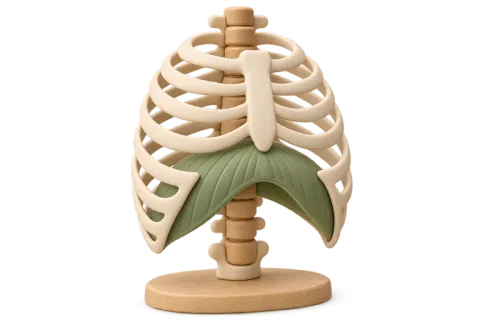 Breathing & Posture
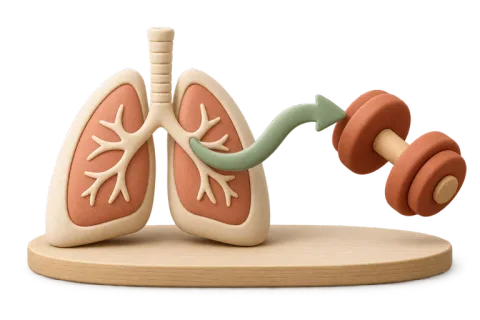 Breath Timing for Exercise
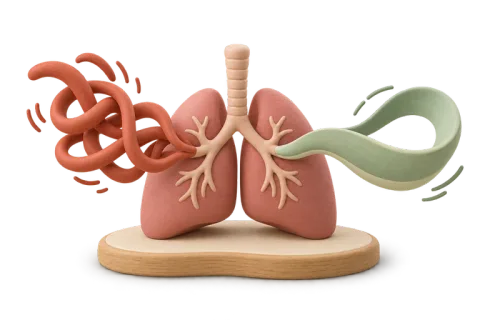 Rapid Breathing: Causes and Safety
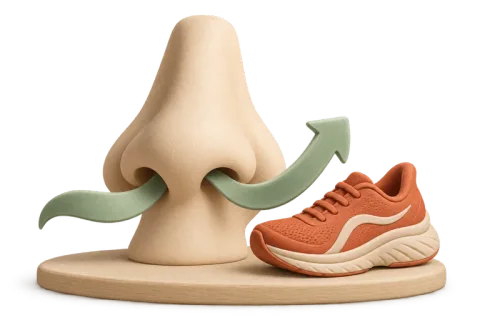 Nose Breathing for Exercise
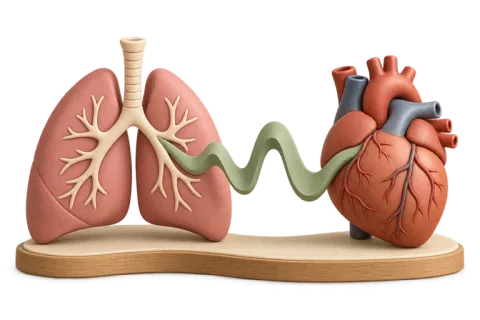 Breath-Heart Coupling
 Daily Breathing Toolkit
Learn it, check it, then try it
Each topic follows the same three steps, so what you learn ends up in your day.
- LessonOne useful idea, explained in a few short screens
- QuizA few questions to check what stuck
- PracticeA small step to try in your own day
Example: the Diaphragm vs Chest Breathing topic ends with a practice called Diaphragmatic Breathing.
Questions, answered
See all FAQsAre the breathing exercises safe?
Every practice is built around comfortable breathing and never asks you to force a pace or hold. Stop if you feel dizzy or unwell. If you have a breathing or heart condition, check with your doctor first.
How is this different from breathing for stress?
The Calm topics use breathing to settle stress in the moment. These topics look at how you breathe all day, including during exercise and in your posture.
Is LeWell free?
LeWell is free to download. Access to content and any purchase options can vary by account. The app shows the price and renewal terms before you buy.




Begin with Breathing today